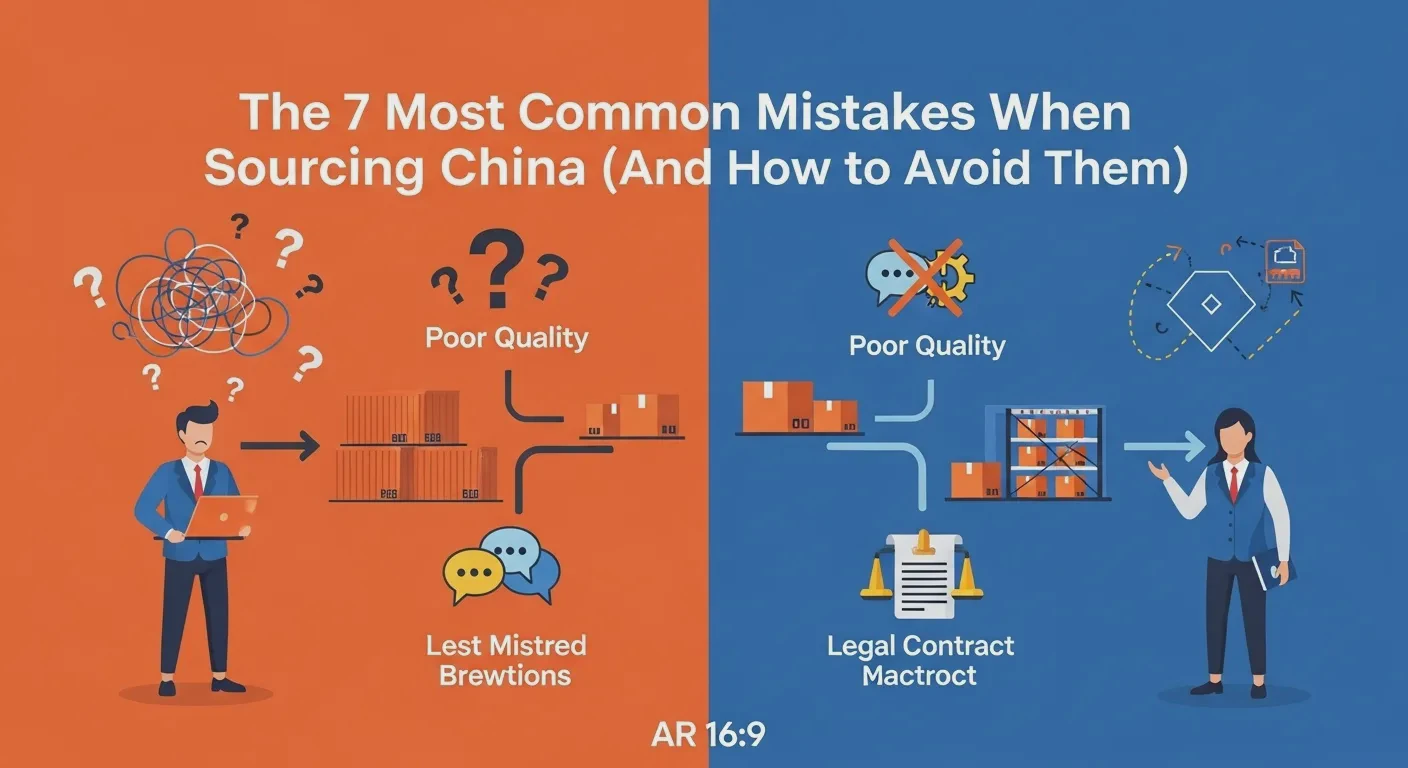
Sourcing products from China can be a game-changer for your business, offering incredible opportunities for growth and profitability. The allure of lower manufacturing costs is strong, but diving in without a clear strategy can lead to costly errors. Many entrepreneurs, in their excitement, overlook the complexities of international trade, turning a promising venture into a frustrating ordeal. This guide is here to shine a light on the most common importing from China mistakes and, more importantly, how you can steer clear of them.
Navigating the vast Chinese market requires more than just finding a supplier with the lowest price. It demands diligence, clear communication, and a solid understanding of the process. For those new to the scene, or even for seasoned importers looking to optimize their operations, avoiding these pitfalls is the key to success. This is where a trusted partner like SinoSourceAgent can make all the difference, transforming potential challenges into a smooth and profitable sourcing journey.
Mistake 1: Insufficient Supplier Vetting
One of the most frequent and damaging errors is choosing a supplier based almost exclusively on price. A low quote can be tempting, but it often hides underlying problems like poor quality, unethical practices, or even outright scams. Failing to properly vet a supplier is a gamble you can't afford to take.
The Impact: You could end up with a batch of unsellable products, lose your investment entirely, or face significant production delays that throw your entire business plan off schedule. A bad supplier can do more than just cost you money; it can damage your brand's reputation before you even get started.
How to Avoid It:
- Conduct Thorough Due Diligence: Don't just take a supplier's word for it. Ask for their business license, quality certifications (like ISO 9001), and any other relevant documentation. Verify these documents.
- Request Samples: Before committing to a large order, always get production-grade samples to assess the quality firsthand.
- Perform Factory Audits: The most reliable way to vet a supplier is to see their operations for yourself. If you can't go in person, this is where a sourcing agent is invaluable. SinoSourceAgent can perform on-site supplier verification and factory audits to ensure you're working with a legitimate and capable manufacturer.
Mistake 2: Poor Communication and Cultural Misunderstandings
Clear communication is the backbone of any successful business relationship, and it's especially critical when there are language and cultural barriers. Vague instructions, misunderstood specifications, and cultural nuances can easily lead to costly errors.
The Impact: You might receive products that don't match your specifications, experience missed deadlines due to confusion, or damage your relationship with a potentially good supplier.
How to Avoid It:
- Be Crystal Clear: Use simple, direct language in all your communications. Avoid slang, jargon, and overly complex sentences.
- Use Visuals: A picture is worth a thousand words. Supplement your written specifications with detailed diagrams, photographs, and technical drawings.
- Bridge the Communication Gap: Understand that business culture in China can be different. Concepts like "saving face" and the importance of building relationships (guanxi) can influence negotiations and interactions. Working with a bilingual team or a sourcing partner like SinoSourceAgent eliminates these barriers, ensuring your requirements are perfectly understood.
Mistake 3: Ignoring Quality Control Throughout Production
Many importers make the mistake of waiting until the entire order is complete before checking for quality. They trust the supplier to maintain standards from the first unit to the last, which is a risky assumption.
The Impact: Discovering defects in a finished order is a nightmare scenario. By then, it's often too late or too expensive to fix the issues, and you're left with a shipment of faulty goods.
How to Avoid It:
- Implement Multi-Stage Inspections: A robust quality control strategy involves multiple checkpoints. This includes pre-production inspections (checking raw materials), in-production inspections (monitoring the process), and, finally, a pre-shipment inspection.
- Define Your Standards: Provide the factory with a clear, detailed list of your quality standards and inspection criteria. This should be part of your manufacturing agreement.
- Hire Professionals: For unbiased and thorough oversight, use a third-party inspection service. Our Professional Quality Control Services ensure that your standards are met at every stage of the manufacturing process.
Mistake 4: Vague Product Specifications
If you don't tell your supplier exactly what you want, you can't expect them to deliver it. Ambiguous or incomplete product specifications are a primary cause of production errors.
The Impact: The final product may differ significantly from your vision in terms of materials, dimensions, color, or functionality, making it unsuitable for your target market.
How to Avoid It:
- Create a Detailed Spec Sheet: Develop a comprehensive Product Specification Sheet for every product. This document should leave no room for interpretation.
- Include All Details: Specify everything: materials, dimensions, weight, Pantone color codes, packaging requirements, labeling, and any other critical details.
- Approve a Pre-Production Sample: Always, always approve a final, "golden" sample that is produced using the mass production tooling and processes before authorizing the full production run.
Mistake 5: Not Having a Legally Binding Contract
Relying on a simple Proforma Invoice (PI) or verbal agreements is a recipe for disaster. These informal arrangements offer you little to no legal protection if things go wrong.
The Impact: Without a proper contract, you have no legal recourse if your supplier fails to meet quality standards, misses deadlines, or changes payment terms unexpectedly.
How to Avoid It:
- Draft a Manufacturing Agreement: Insist on a clear, detailed, and bilingual manufacturing agreement. This contract should be written to be enforceable in a Chinese court.
- Specify All Key Terms: Your contract should clearly outline payment schedules, lead times, quality standards, defect resolution processes, and ownership of intellectual property like molds and tooling.
- Seek Legal Counsel: It's wise to have the contract reviewed by a legal professional who specializes in Chinese business law to ensure your interests are protected.
Mistake 6: Mishandling Logistics and Shipping
Getting your products from the factory floor in China to your warehouse involves a complex chain of logistics. Underestimating this complexity is a common pitfall that leads to unexpected costs and delays.
The Impact: Hidden fees, customs clearance issues, and shipping delays can erode your profit margins and frustrate your customers.
How to Avoid It:
- Understand Incoterms: Familiarize yourself with different Incoterms (e.g., EXW, FOB, DDP). These terms define the responsibilities of the buyer and seller for shipping, insurance, and customs. Choose the one that aligns with your budget and level of control.
- Partner with Experts: Work with a reliable freight forwarder or a sourcing partner that offers comprehensive logistics management. Our Professional Logistics Management Services can handle the entire process for you, ensuring a smooth and cost-effective journey for your goods.
- Calculate Total Landed Cost: Don't just look at the factory price. Calculate your total landed cost, which includes shipping, insurance, tariffs, and taxes, to understand your true cost per unit.
Mistake 7: Focusing Solely on the Lowest Price
While cost is a major driver for sourcing from China, making it the only factor is a classic mistake. The cheapest quote rarely translates to the best value.
The Impact: The pursuit of the lowest price often leads to compromised quality, unreliable suppliers, and poor communication. The money you "save" upfront is quickly lost to rework costs, defective products, and production delays.
How to Avoid It:
- Focus on Total Value: Instead of the lowest unit price, evaluate the total value a supplier offers. This includes their reliability, communication, quality, and willingness to build a long-term relationship.
- Balance Cost and Quality: A slightly higher price from a reputable, high-quality supplier is a much better investment than a rock-bottom price from an unreliable one.
- Build Partnerships: View your suppliers as partners in your business. A strong, long-term relationship with a reliable manufacturer is one of the most valuable assets you can have.
Conclusion: Source Smarter, Not Harder
Sourcing from China is filled with incredible opportunities, but it's a landscape that must be navigated with care and preparation. By being aware of these seven common mistakes, you can proactively avoid them and set your business up for success. Thorough vetting, clear communication, and robust quality control are not just recommendations; they are essential pillars of a successful import strategy.
For businesses looking to eliminate the guesswork and ensure a seamless experience, partnering with a professional sourcing company is the smartest move. At SinoSourceAgent, we act as your team on the ground, handling everything from product sourcing from China to quality control and logistics. Let us help you turn your sourcing goals into a reality, without the common pitfalls.