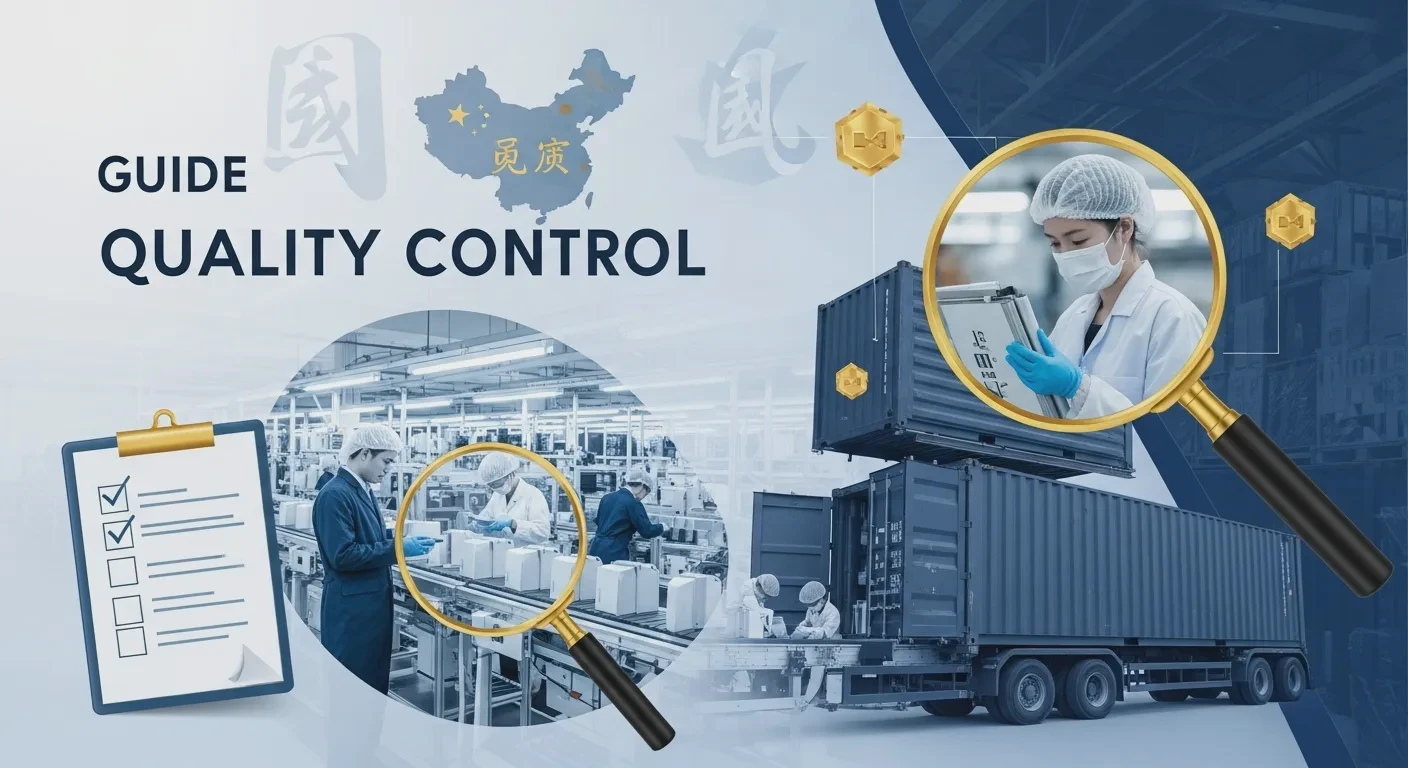
Sourcing products from China offers immense opportunities for businesses to scale and innovate. However, navigating the vast manufacturing landscape can be daunting, especially when it comes to ensuring product quality. That's where a robust China product quality control strategy becomes not just an option, but a necessity. Without it, you risk receiving defective products, damaging your brand's reputation, and incurring significant financial losses. This guide will walk you through the essential steps of implementing a successful quality control process, from initial inspection to final shipment, ensuring your products meet your standards every time.
Why is Quality Control in China So Crucial?
The phrase "Made in China" has evolved significantly over the years. While China is home to some of the world's most advanced manufacturing facilities, the sheer scale of the industry means that quality can vary dramatically. The primary challenge for importers is bridging the geographical and cultural gap to enforce their quality standards.
Ignoring China product quality control can lead to:
- Defective Products: Receiving a shipment of goods that don't work, are damaged, or fail to meet specifications.
- Financial Loss: Wasting money on unsellable inventory, return shipping, and rework costs.
- Brand Damage: Negative customer reviews and a loss of trust in your brand due to poor-quality products.
- Supply Chain Delays: Production halts and shipment delays caused by quality issues that could have been caught earlier.
A proactive quality control strategy mitigates these risks, ensuring that you receive exactly what you ordered.
The A-to-Z Quality Control Process
A comprehensive quality control plan involves several stages, each designed to catch potential issues before they escalate.
Step 1: Defining Your Quality Standards
You cannot control what you have not defined. The first step is to create a detailed Quality Control Checklist or specification sheet. This document should be crystal clear and translated into Mandarin to avoid any misinterpretation by the factory.
Your checklist should include:
- Product Specifications: Dimensions, weight, materials, colors (with Pantone codes), and finishing.
- Performance and Functionality: How the product should work, including any specific tests to be performed.
- Packaging Requirements: Details about the retail box, master carton, labels, barcodes, and any inserts.
- Workmanship Standards: Defining acceptable and unacceptable levels for cosmetic defects like scratches, glue residue, or stitching errors.
Having a "Golden Sample"—a pre-approved production sample that meets all your standards—is also crucial. This sample serves as the ultimate benchmark against which mass-produced units are compared.
Step 2: Pre-Production Inspection (PPI)
A Pre-Production Inspection takes place before mass production begins. Inspectors check the raw materials and components that will be used to manufacture your product. This is your first opportunity to catch potential problems. For example, if you ordered premium leather bags, a PPI would verify that the leather delivered to the factory matches your quality standards. Catching a material issue at this stage is far cheaper and faster than discovering it in finished goods.
Step 3: During Production Inspection (DPI or DUPRO)
As the name suggests, a During Production Inspection occurs while your products are being manufactured. Typically, this happens when 20-50% of the production run is complete. A DPI is essential for identifying defects early in the process, allowing the factory to implement corrective actions without derailing the entire production schedule. It's particularly important for large orders or products with complex assembly processes, as it ensures that quality is consistent throughout the run.
Step 4: Pre-Shipment Inspection (PSI)
The Pre-Shipment Inspection is the most common and arguably the most critical inspection in the entire process. It takes place once 100% of the products are manufactured and at least 80% are packaged. An inspector visits the factory to conduct a final check on a randomly selected sample of your products.
The inspection typically follows the Acceptable Quality Limit (AQL) standard, a statistical method for determining the maximum number of acceptable defects in a batch. The PSI covers:
- Quantity Verification: Ensuring the order is complete.
- Workmanship and Cosmetic Check: Looking for visual defects.
- Functional Testing: Making sure the product works as intended.
- Packaging and Labeling: Confirming that all packaging requirements are met.
Passing a PSI gives you the green light to authorize the final payment and arrange for shipment.
Step 5: Container Loading Inspection (CLI)
The final step is the Container Loading Inspection. An inspector supervises the loading process to ensure that the correct products and quantities are loaded into the shipping container. They also verify that the cartons are handled properly to prevent damage during transit and that the container is sealed securely. This step provides peace of mind that the products leaving the factory are the same ones that will arrive at your warehouse.
How to Overcome Common QC Challenges
Implementing a QC plan in China is not without its challenges. Communication barriers, cultural differences, and supplier resistance can complicate the process. The most effective way to overcome these hurdles is to have a trusted partner on the ground.
This is where a professional sourcing agent can be invaluable. An experienced agent acts as your eyes and ears, managing the entire process on your behalf. For businesses looking for reliable Sourcing Agent Services from China, partnering with a company like SinoSourceAgent can make all the difference. We bridge the communication gap and ensure your quality standards are enforced without compromise. Our Professional Quality Control Services are integrated seamlessly into our Product Sourcing from China and Professional Logistics Management Services, providing a complete end-to-end solution.
Conclusion
Effective China product quality control is a systematic process, not a one-time event. By defining your standards clearly and implementing inspections at key stages of production, you can significantly reduce the risks associated with overseas manufacturing. While it requires an investment of time and resources, the payoff—receiving high-quality products that delight your customers—is well worth it.
Don't leave quality to chance. Partner with an expert who can navigate the complexities of the Chinese manufacturing landscape for you. Contact SinoSourceAgent today to learn how we can help you implement a robust quality control strategy for your next product.