
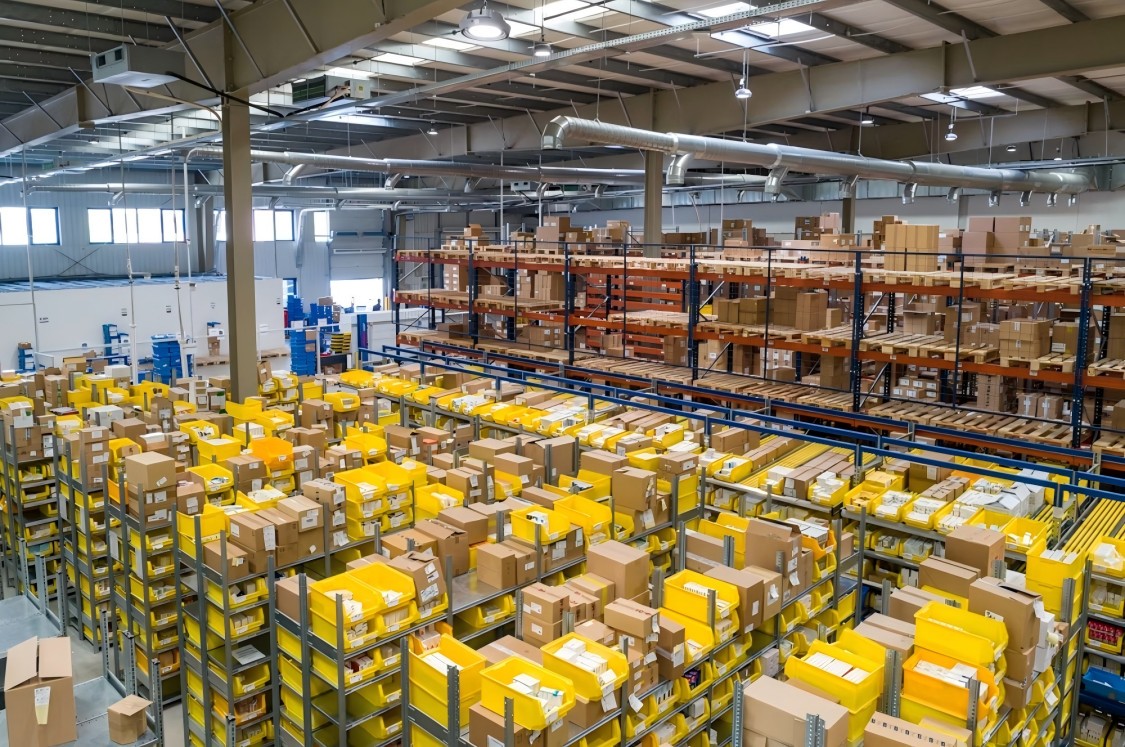
China’s manufacturing sector has long been the backbone of the global supply chain, but the landscape is rapidly shifting. As the world gears up for 2025, China is doubling down on innovation, sustainability, and high-tech dominance to redefine its role in global manufacturing. From smart factories to strategic policy frameworks, here are the key trends shaping the future of Chinese manufacturing.
1. Smart Manufacturing and the Rise of Industry 4.0
Under the "Made in China 2025" (MIC 2025) initiative, the country is transitioning from low-skilled labor to advanced automated production systems. This strategic plan emphasizes integrating technologies like artificial intelligence (AI), the Industrial Internet of Things (IIoT), and robotics to create "smart factories" capable of real-time data analysis and process optimization. By 2025, these innovations will standardize predictive maintenance, reduce downtime, and slash production costs by up to 30%.
For example, AI-driven quality control systems are already reducing defects in industries like automotive and electronics manufacturing. Meanwhile, IoT-enabled sensors are streamlining energy use and minimizing waste, aligning with MIC 2025’s focus on sustainable production.
2. High-Tech Industry Domination: Aerospace, EVs, and Biotech
MIC 2025 prioritizes developing high-value industries traditionally dominated by foreign players, including aerospace, biotechnology, electric vehicles (EVs), and advanced robotics. China aims to not only capture market share but also produce proprietary intellectual property (IP) in these sectors.
Take the EV industry: China is now the world’s largest EV market, with companies like BYD and NIO leading innovations in battery technology and autonomous driving. Similarly, investments in biotech R&D are positioning China as a hub for cutting-edge pharmaceuticals and medical devices. Foreign businesses can collaborate on joint ventures or leverage China’s extensive manufacturing ecosystems to enter these lucrative markets.
3. Green Manufacturing and Sustainable Practices
Sustainability is no longer optional. MIC 2025 mandates green production methods, including energy-efficient processes and circular economy models. The plan encourages industries to adopt renewable energy sources, reduce carbon emissions, and recycle materials at every stage of production.
Key measures include digital tools for real-time environmental monitoring and policies incentivizing green certifications. For instance, manufacturers in sectors like textiles and chemicals are adopting AI to optimize water usage and minimize toxic waste. By 2025, China’s commitment to sustainable manufacturing could make it a global leader in eco-friendly production practices.
4. Government Policies and Public-Private Collaboration
China’s centralized policy planning is a driving force behind MIC 2025. The government is investing heavily in infrastructure, such as manufacturing innovation centers (40 planned by 2025), and offering tax breaks for R&D-intensive industries. Additionally, public-private partnerships are accelerating the development of large-scale projects—from semiconductor fabrication plants to offshore wind farms.
However, the plan also emphasizes market-driven growth. Reforms in intellectual property (IP) protection aim to empower small and medium-sized enterprises (SMEs), enabling them to compete globally. Foreign companies should note China’s push for self-declared technology standards, which may influence international trade dynamics.
5. Opportunities for Foreign Businesses in China’s Manufacturing Shift
Despite concerns about competition, MIC 2025 creates significant opportunities for foreign investors and multinational corporations. Collaboration with Chinese firms on high-tech projects—such as AI applications or smart logistics solutions—can unlock access to China’s vast domestic market and skilled workforce.
Businesses should also consider diversifying supply chains. While China remains critical for manufacturing, MIC 2025’s focus on automation may reduce reliance on low-cost labor hubs. Partnering with local experts for supply chain audits or contract renegotiation can help companies adapt.
Preparing for 2025: Strategies for Success
To thrive in China’s evolving manufacturing ecosystem, businesses must:
- Invest in technology adoption: Integrate AI, IoT, and automation tools to stay competitive.
- Align with sustainability goals: Implement green practices to meet regulatory and consumer demands.
- Leverage partnerships: Collaborate with Chinese firms and stakeholders for market entry and innovation.
- Monitor policy changes: Stay updated on IP laws, subsidies, and trade policies affecting manufacturing.
Conclusion
China’s manufacturing sector is undergoing a seismic shift, driven by technological innovation, sustainability mandates, and strategic policymaking. By 2025, the country aims to cement its position as a global leader in high-tech industries while addressing longstanding challenges like environmental impact and IP protection. For businesses worldwide, understanding these trends is critical to unlocking opportunities in this dynamic landscape.
Whether you’re a buyer diversifying suppliers or a company seeking to collaborate on R&D, the time to act is now. Embrace the changes, and position your operations to thrive in China’s manufacturing future.