
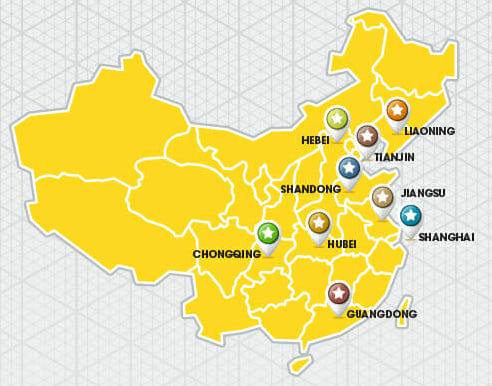
China, often dubbed the "world's factory," owes much of its manufacturing prowess to its diverse and specialized regions. Each region in China plays a distinct role in the country's manufacturing ecosystem, offering unique strengths that attract businesses worldwide. Understanding these regions can significantly impact sourcing strategies and business decisions. In this blog, we delve deep into China's manufacturing landscape, exploring the key regions and their specialties to provide valuable insights for businesses looking to engage with Chinese manufacturers.
1. The Pearl River Delta (PRD)
Overview:
Located in the southern part of China, the Pearl River Delta is one of the most economically dynamic and densely urbanized regions in the world. This area includes major cities such as Guangzhou, Shenzhen, and Dongguan.
Specialties:
The PRD is a powerhouse for electronics, telecommunications, and high-tech manufacturing. Shenzhen, for instance, is renowned for its robust electronics ecosystem, with companies like Huawei and Tencent headquartered there.
Advantages:
- Proximity to Hong Kong: Facilitates easy international trade and access to global markets.
- Innovation Hub: Host to many tech startups and established firms, offering a collaborative environment for innovation.
Challenges:
- Rising Costs: As the region develops, labor and real estate costs have risen.
- Environmental Regulations: Strict regulations may affect certain manufacturing processes.
2. Yangtze River Delta (YRD)
Overview:
Centered around Shanghai, the Yangtze River Delta is another vital economic zone. Cities like Suzhou, Hangzhou, and Nanjing are critical parts of this region.
Specialties:
The YRD is known for its automotive, machinery, and chemical industries. Suzhou Industrial Park is particularly famous for its precision machinery and equipment manufacturing.
Advantages:
- Highly Developed Infrastructure: Excellent transportation networks facilitate easy logistics.
- Skilled Workforce: Access to a large pool of skilled labor and academic resources.
Challenges:
- Economic Competition: The high concentration of industries leads to intense competition.
- Environmental Concerns: Pollution and environmental sustainability are ongoing challenges.
3. Bohai Economic Rim
Overview:
This region encompasses Beijing, Tianjin, and parts of Hebei province. It is considered the political and cultural hub of China.
Specialties:
The Bohai Rim focuses heavily on heavy industries such as steel and petrochemicals, alongside burgeoning sectors like aerospace and biopharmaceuticals.
Advantages:
- Government Support: Being the political center, it enjoys substantial governmental support and policy incentives.
- Research and Development: Strong emphasis on R&D, with numerous universities and research institutions.
Challenges:
- Pollution: Industrial activities have led to significant environmental issues.
- Regulatory Oversight: Close government oversight may deter some foreign investments.
4. The Central and Western Regions
Overview:
While historically less developed than their coastal counterparts, central and western China are increasingly gaining attention due to government initiatives aimed at economic balancing.
Specialties:
These regions contribute to textiles, food processing, and increasingly, electronics.
Advantages:
- Lower Costs: Lower labor and operational costs attract manufacturers looking to reduce expenses.
- Incentives: Government initiatives and subsidies encourage investment.
Challenges:
- Logistical Barriers: Transportation and logistics infrastructure are still developing.
- Skill Shortages: A less skilled workforce compared to coastal areas can be a constraint.
Conclusion
Understanding China's manufacturing regions requires a strategic approach that considers both geographical advantages and potential challenges. Businesses looking to source from China should leverage regional specialties to optimize their supply chain and enhance efficiency. With each region offering unique benefits, the choice depends largely on the specific needs of the business, whether it be cost reduction, technological innovation, or market access.
In navigating the vast landscape of China's manufacturing, SinoSourceAgent stands ready to assist businesses in making informed decisions, providing expertise and support tailored to the dynamic Chinese market. Embrace the opportunities China’s regions present and strategically align your sourcing priorities to harness the full potential of this manufacturing giant.